

What does it mean to be truly prepared? Is it having an emergency kit ready at home, or is it having the courage and resourcefulness to overcome whatever challenges come your way?
In a country as disaster-prone as the Philippines, preparedness is often associated with responding to disasters and emergencies. However, true preparedness goes beyond having the right supplies or knowing what to do when a crisis occurs. It is about developing resilience – the ability to withstand challenges, adapt to changing circumstances, recover from setbacks, and continue moving forward despite adversity.
Resilience is not built overnight. It is cultivated through experience, learning, and the choices people make when faced with difficult situations. Whether confronting natural disasters, economic disruptions, or personal hardships, resilience empowers individuals to navigate uncertainty with confidence and determination.
For microentrepreneurs, resilience carries an even deeper meaning. Beyond protecting their families, they must also safeguard the livelihoods that provide for their daily needs. Every challenge becomes a test of their ability to adapt, innovate, and persevere.

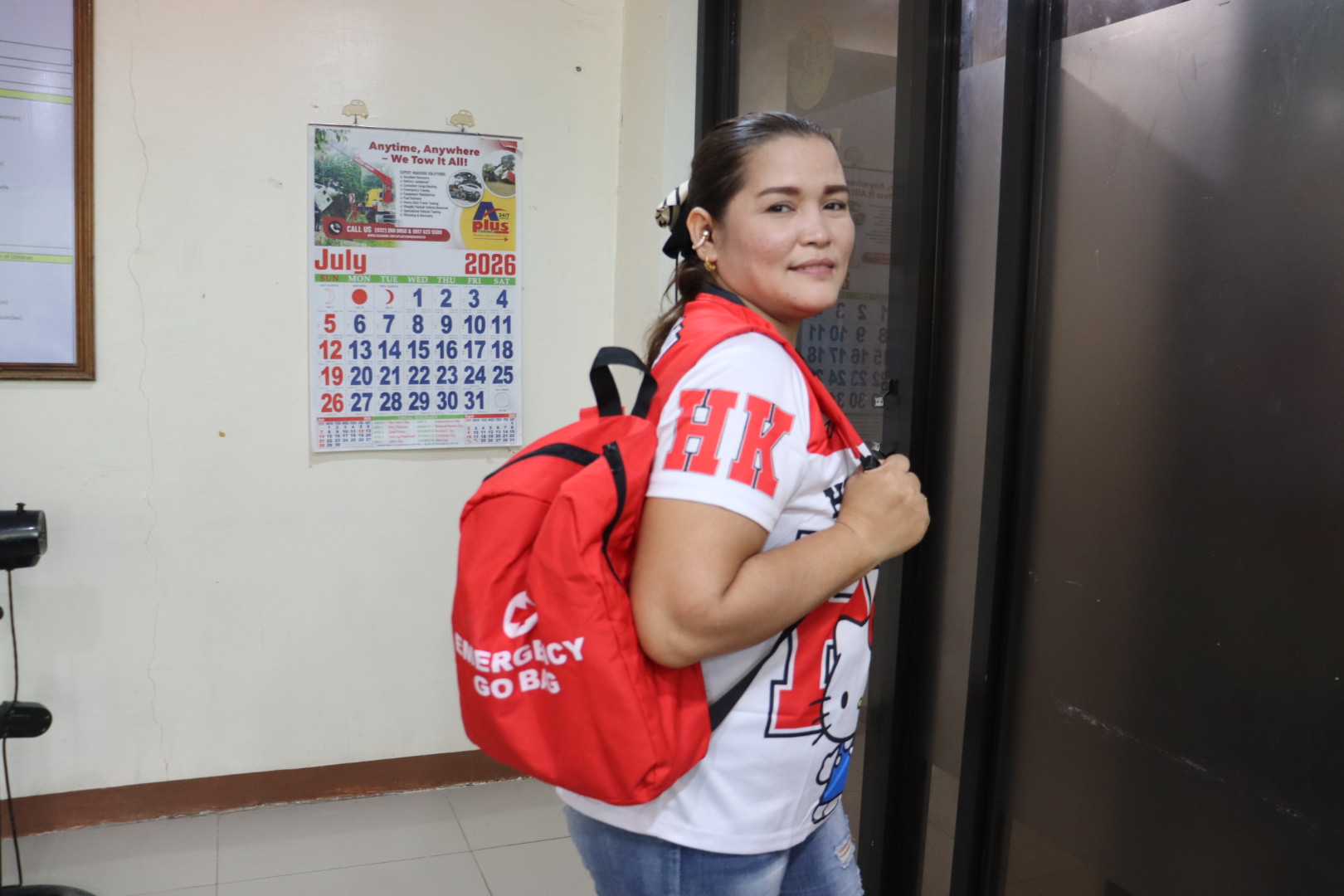
Few understand the value of resilience better than Ate Angely Melendrez of Barangay Buhisan. A member of RAFI Microfinance for nearly twelve years, she has actively participated in various programs design to improve clients’ quality of life – from livelihood development through Tindahan Ni Nanay (TNN) and sanitation initiatives under the WASH program to disaster resilience efforts. Through these opportunities, she developed not only entrepreneurial skills needed to grow her business but also the adaptability and confidence necessary to overcome life’s unexpected challenges. Her journey demonstrates how resilience, when nurtured through knowledge and experience, can empower individuals to thrive even in uncertain times.
More than a business owner, Ate Angely embodies what resilience looks like in action. As the owner of a pungko-pungko business and a devoted mother, she has consistently embraced change, adapted to challenges, and found ways to keep moving forward for her family’s future.
This resilience was put to test during the COVID-19 pandemic. Like countless microentrepreneurs, Ate Angely faced uncertainties that threatened her primary source of income. Instead of allowing these difficulties to hinder her progress, she applied the resourcefulness and entrepreneurial mindset she developed through her TNN journey.
As customer behavior shifted, she explored digital platforms to reach more customers and sustain her business. When certain ingredients became difficult to source, she found practical solutions by growing some of them herself, ensuring a steady supply while minimizing disruptions to her operations. This experience taught her the value of flexibility, resourcefulness, and planning – qualities that are at the heart of disaster resilience.


Ate Angely as part of the Disaster Resilience Preparedness Training in Barangay Buhisan last May 15, 2026.
Recognizing that resilience extends beyond business challenges, Ate Angely welcomed the opportunity to participate in the Disaster Resilience Program (DRP) training, one of RAFI Microfinance’s continuing efforts to strengthen resilience of its clients and communities, the training, facilitated by the City Disaster Risk Reduction and Management Office (CDRRMO), equipped participants with practical knowledge on disaster preparedness, risk awareness, emergency response, and family safety.
One of the most valuable components of the training was the Emergency Action Planning (EAP) activity, where participants created practical plans to prepare for potential emergencies. Through the training, Ate Angely realized that disaster resilience is not only about responding to calamities but also about being ready to adapt, recover, and move forward.
For Ate Angely, the training expanded her understanding of resilience beyond preparing for natural calamities. It reinforced the idea that preparedness is a continuous responsibility, one that requires both knowledge and action. More importantly, it deepened her appreciation of business resilience, or the ability of a livelihood to withstand disruptions, adapt to changing conditions, and recover from unexpected challenges.

As someone whose business serves as a primary source of income for her family, this realization resonated deeply. She understood that protecting her family also means safeguarding the livelihood they depend on. Armed with new knowledge and practical preparedness measures, she now feels more confident in facing emergencies while ensuring both her family’s well-being and her business’s continuity.
Through initiatives such as the Disaster Resilience Program training, RAFI Microfinance continues to empower clients with the knowledge, skills, and confidence they need to become safer, stronger, and more prepared for the future. By equipping families with practical tools, strengthening preparedness measures, and fostering a culture of readiness, the program helps build communities that are better able to anticipate, withstand, and recover from disasters.
Through her journey, Ate Angely’s story reminds us that resilience is not built when disaster strikes, it is cultivated every day through continuous learning, thoughtful preparation, adaptability, and the determination to keep moving forward despite uncertainty. Her story stands as a testament to the power of preparedness and the belief that with the right mindset and support, challenges can become opportunities for growth.
